
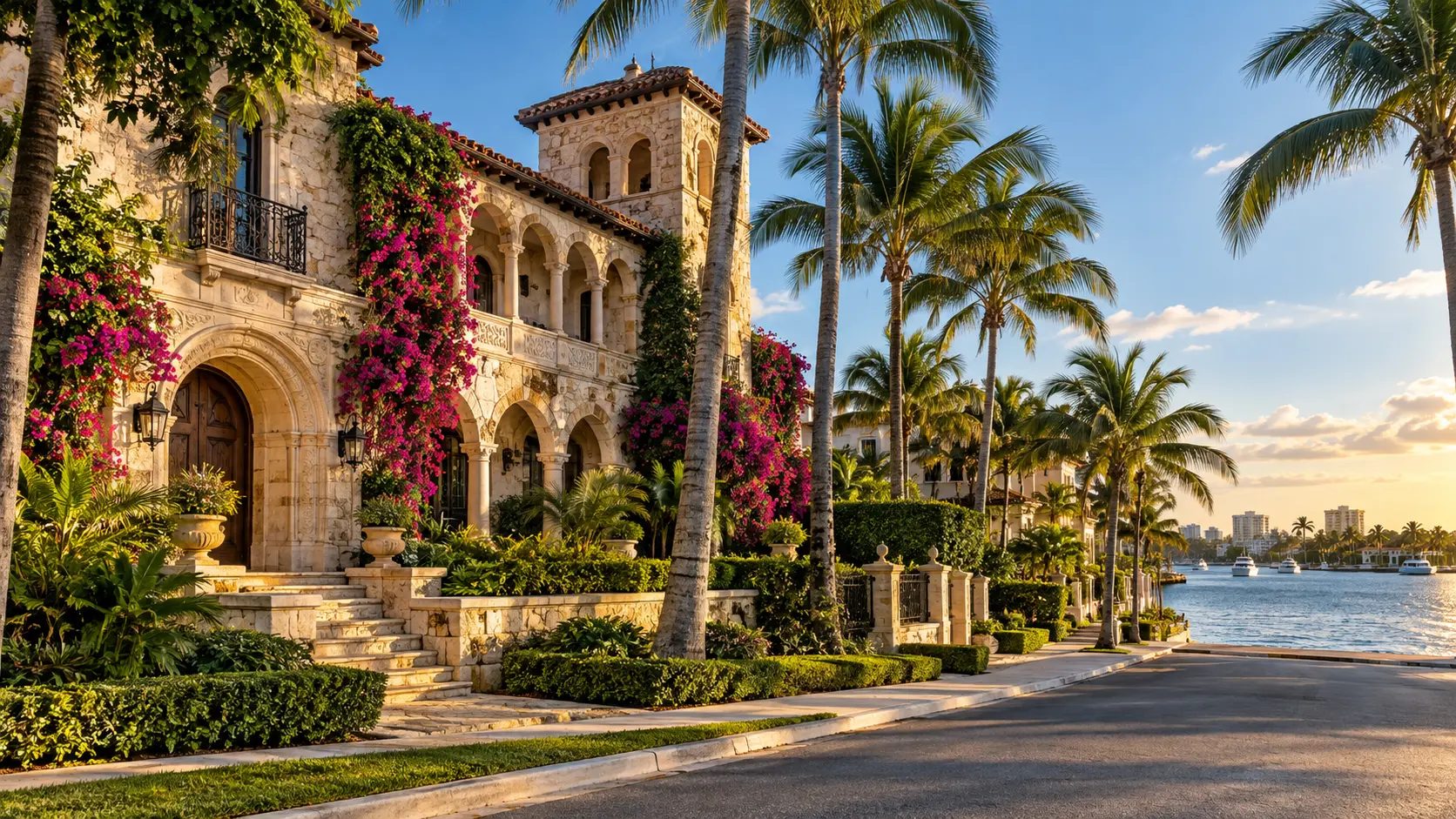
 Conceptual image inspired by El Cid; not a photograph of a specific property, building or listing.
The short answer
Pair architectural emotion with a disciplined property record. Confirm historic status, permitted work, roof and openings, electrical and plumbing updates, drainage and insurance improvements before asking buyers to pay for restoration quality.
The El Cid lens
El Cid buyers notice street presence, original detail and the relationship between house, guest space, pool and garden. They also distinguish thoughtful restoration from cosmetic updating.
What should be verified
Organize designation information, surveys, permits, plans, warranties and system records. Photograph historic features accurately and avoid claiming tax, insurance or renovation benefits without current professional support.
- Clarify historic status and review obligations
- Document systems behind the finishes
- Use architecture-specific comparables
- Prepare insurance and permit evidence
Todd’s interpretation
El Cid homes sell best when character and confidence arrive together. The record should show that beauty has been preserved without hiding ownership realities.
Questions Clients Ask
Frequently asked questions
Is every El Cid home designated historic?
No. Confirm the exact property’s status and applicable district requirements.
Should original details be restored before sale?
Only when scope, cost and buyer response support it; preserve what is valuable and avoid rushed work.
Do impact openings guarantee insurability?
No. Insurance decisions consider multiple property-specific factors.
What records matter most?
Permits, plans, roof and openings documentation, system updates, warranties and current historic information.