

From luxury amenity to everyday health infrastructure
Wellness real estate is moving beyond an impressive fitness room or spa. The stronger concept is a residential environment designed around the conditions people experience every day: the air they breathe, the water they drink, the light that shapes sleep and alertness, the sound that affects stress, the movement encouraged by the plan and the connections supported by shared spaces.
In that sense, the most ambitious wellness developments can be conceived as life-extending ecosystems—places where the building operates like a personalized health plan. That is a design aspiration, not a medical promise. Credible projects translate the idea into measurable specifications, responsible operations and features residents will actually use.
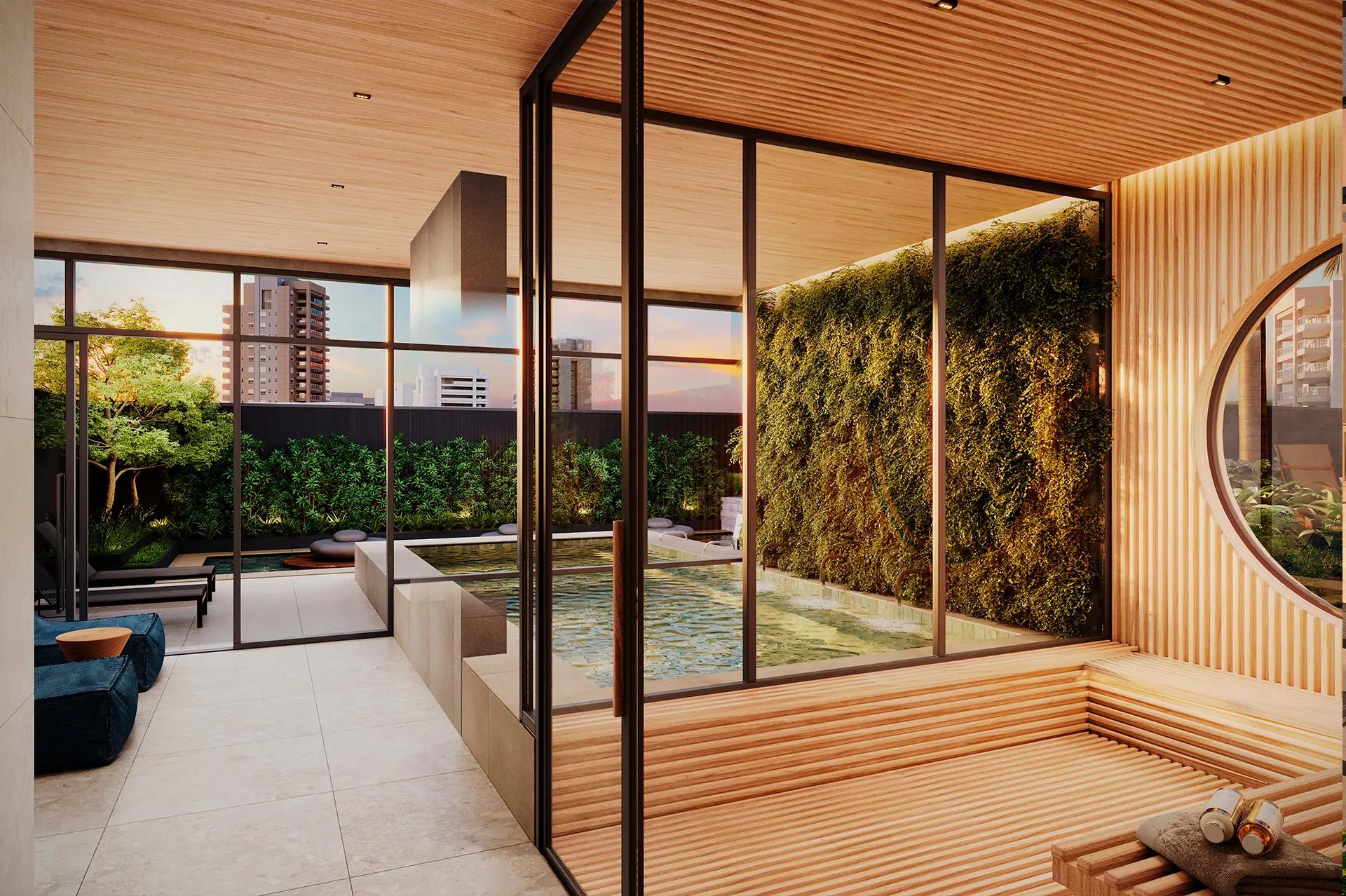
- Clean indoor air and verified ventilation
- High-quality drinking water
- Daylight and circadian-aware lighting
- Acoustic and thermal comfort
- Movement, recovery and restorative space
- Nature, social connection and resilient design
Health-conscious townhome development
Townhomes can deliver wellness through the residence itself. Because buyers spend most of their time inside the home, daylight, material selection, moisture control, acoustics and fresh-air performance may matter more than a long amenity list.
- Balanced fresh-air ventilation and high-efficiency filtration
- Low-emitting paints, adhesives, cabinetry and flooring
- Whole-home water filtration with serviceable components
- Generous daylight with glare and heat-gain control
- Acoustic separation between attached residences
- Usable stairs, private outdoor space and secure bicycle storage
- Humidity, drainage and backup-power planning suited to South Florida
Wellness-led single-family communities
At the community scale, wellness begins outside the front door. A well-planned neighborhood can make walking, outdoor activity, social connection and access to nature feel natural rather than programmed.
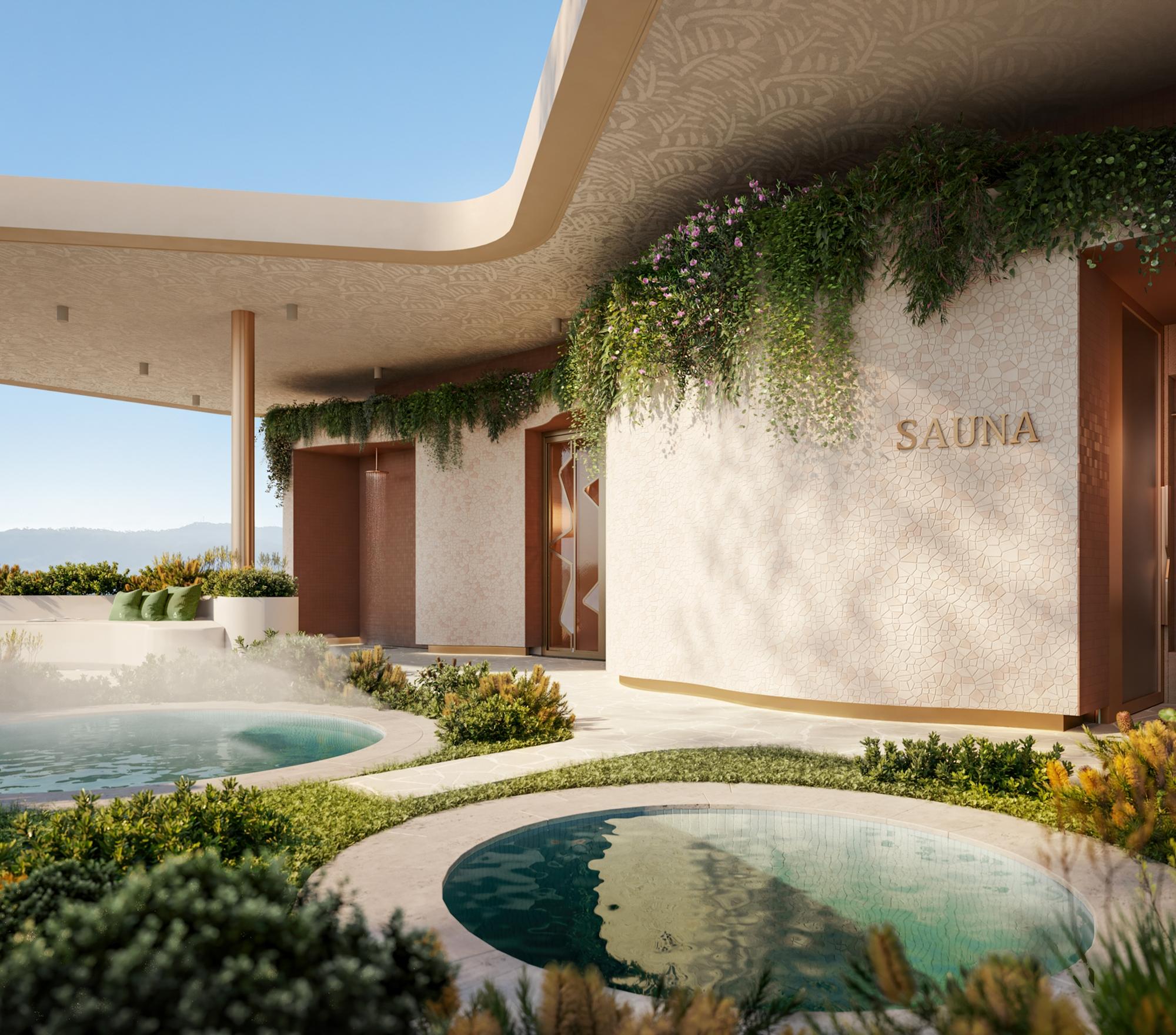
- Shaded walking loops and connected pedestrian routes
- Native landscaping, tree canopy and low-chemical maintenance
- Community gardens and healthy-food programming
- Fitness, mobility, yoga and recovery spaces
- Pools, sports courts and age-inclusive recreation
- Quiet outdoor rooms and gathering spaces
- Stormwater, heat, power and emergency-resilience planning
Large-scale condominium buildings
Condominium wellness depends on both design and long-term operations. Central systems, shared spaces and building management create an opportunity for a complete health-conscious experience—but only when maintenance, testing and resident communication are planned from the beginning.
- Enhanced outdoor-air delivery, filtration and indoor-air monitoring
- Water-quality strategy from building entry to residence
- Daylight, biophilic design and meaningful outdoor access
- Acoustic privacy between residences and mechanical spaces
- Inviting stairs and circulation that encourage daily movement
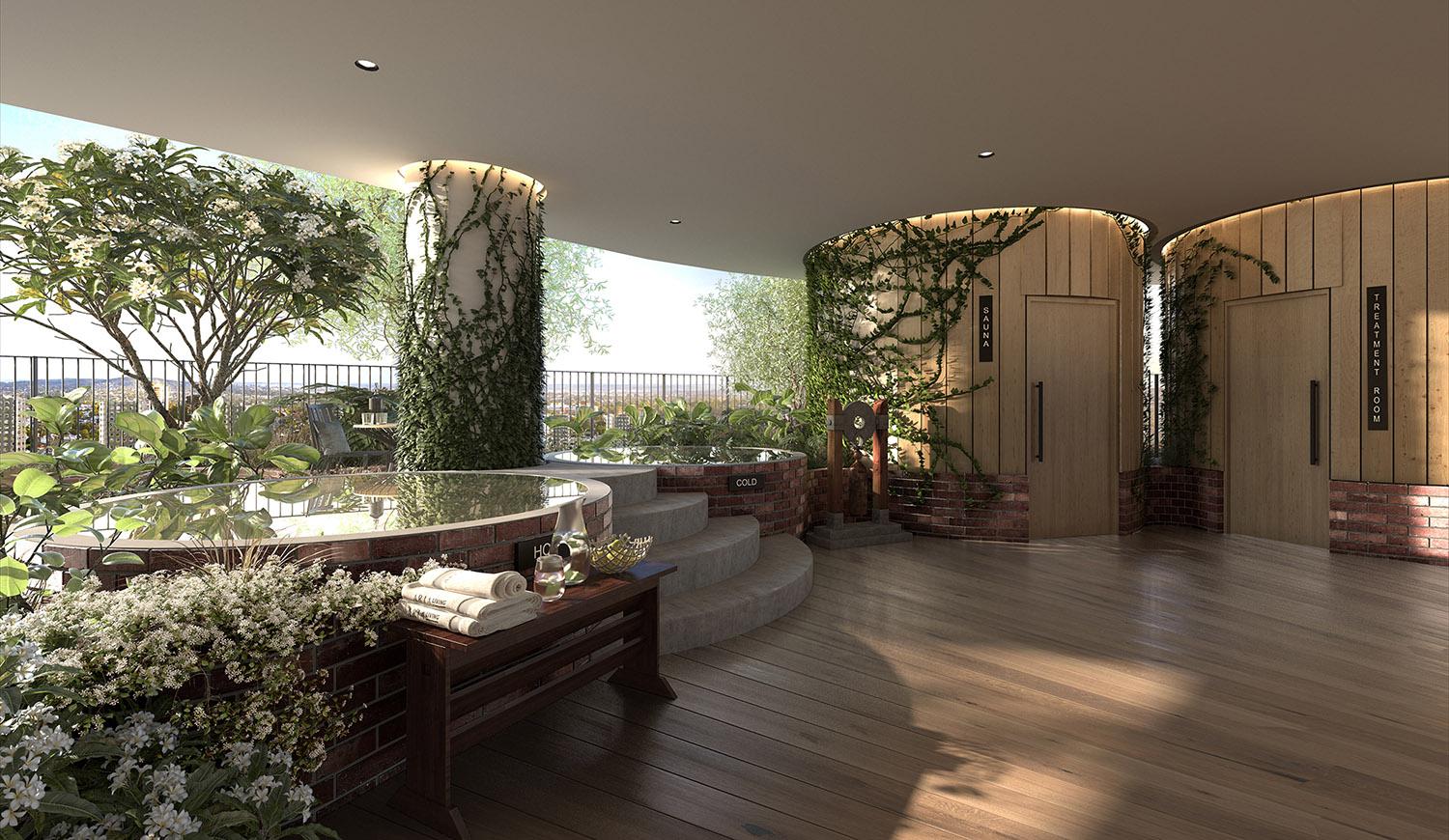
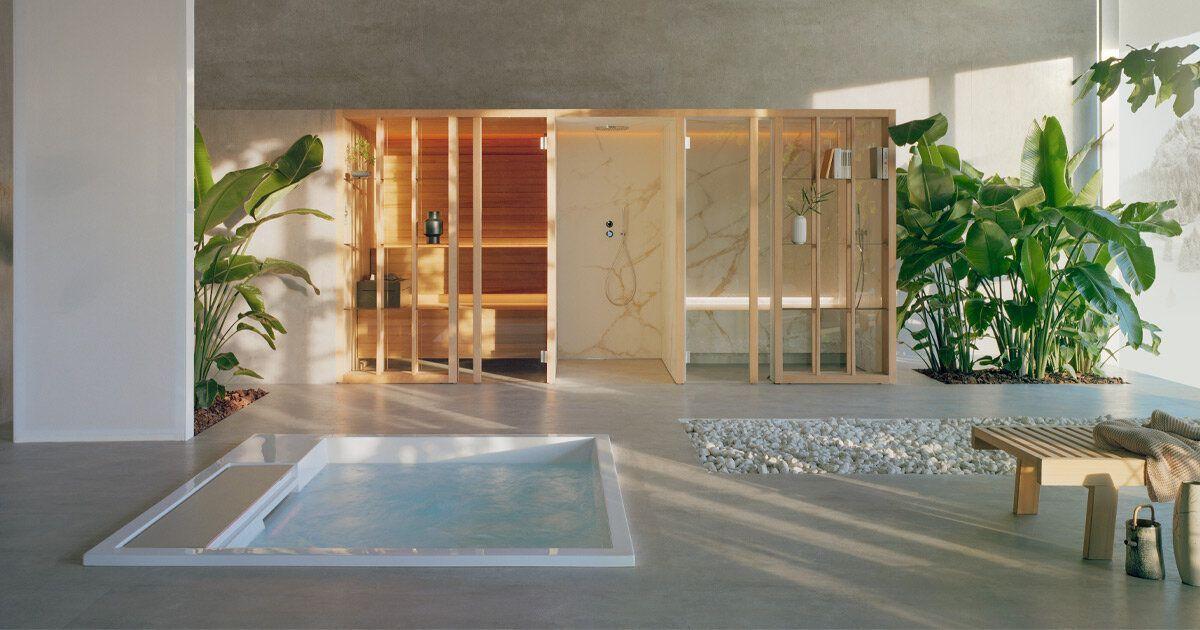
- Fitness, spa, sauna, cold-plunge and recovery programming
- Healthy dining, meditation, sleep and work-from-home environments
- Ongoing performance testing, transparent reporting and data privacy
Certification can support the story—but performance must lead
Frameworks such as the WELL Building Standard and Fitwel can help teams organize health-focused decisions and document outcomes. They are most valuable when treated as part of an operating discipline rather than a marketing badge.
Builders should involve architects, mechanical engineers, lighting designers, landscape professionals, water specialists and qualified health or building-science advisors early. Sales language should distinguish verified performance from intended benefits and avoid promising health outcomes that the project cannot substantiate.
- Set measurable wellness goals before design development
- Budget for commissioning, testing and ongoing maintenance
- Explain which features are standard, optional or operational
- Protect resident privacy when sensors or apps collect data
- Use precise, supportable language in marketing and sales materials
The market opportunity for builders and developers
Health-conscious design gives a project a story that is both emotional and practical. It can influence how a residence feels during a tour, how buyers compare long-term value and how the community performs after closing.
The Curated Collection Group works with builders and developers to connect that vision to buyer priorities, competitive positioning, launch strategy and the sales experience. The objective is not to add wellness as decoration. It is to make healthier living part of the project’s architecture, operations and identity from the start.
Questions Clients Ask
Frequently asked questions
What is wellness real estate?
Wellness real estate intentionally supports resident well-being through the design, construction, amenities and operation of homes and communities. Its focus commonly includes air, water, light, comfort, movement, nature, social connection and resilience.
Does a wellness residence guarantee better health or a longer life?
No. A property should not promise medical outcomes. It can reduce certain environmental stressors and make healthier daily choices easier when features are properly designed, verified, maintained and used.
Which wellness features matter most to buyers?
Priorities vary, but clean air and water, natural light, acoustic comfort, outdoor access, movement and recovery spaces, healthy materials and transparent maintenance are broadly relevant.
Should a development pursue WELL or Fitwel certification?
Certification can provide a useful framework and third-party process, but the decision depends on project goals, budget, schedule and operations. Performance and honest communication should remain central with or without certification.